

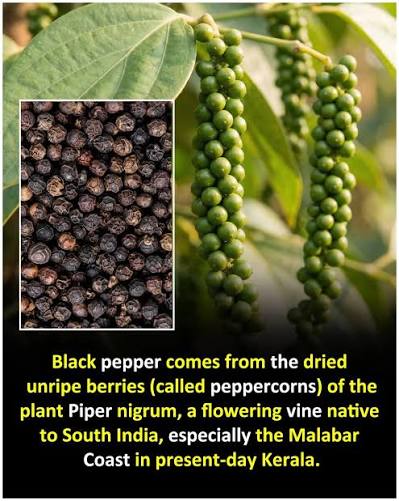
Black pepper is one of the world’s most popular and widely used spices. Known as the “King of Spices,” it has been valued for centuries for its rich flavor, culinary versatility, and health benefits. Derived from the dried berries of the Piper nigrum plant, black pepper continues to be an essential ingredient in kitchens across the globe.
Black Pepper: Origin, Benefits, Uses, and Nutritional Value
Black pepper comes from the dried unripe berries, known as peppercorns, of the Piper nigrum plant. This flowering vine is native to South India, particularly the Malabar Coast of Kerala, where it has been cultivated for thousands of years. Throughout history, black pepper played a vital role in international trade and was once considered as valuable as gold.
Today, black pepper remains one of the most widely traded spices in the world due to its distinctive aroma, bold flavor, and numerous health benefits.
Origin of Black Pepper
The Piper nigrum plant thrives in tropical climates with high humidity and well-drained soil. The berries are harvested while still green and unripe. They are then dried under the sun, causing them to shrivel and turn black, creating the peppercorns commonly used in cooking.
Major black pepper-producing countries include:
- India
- Vietnam
- Indonesia
- Brazil
- Sri Lanka
Nutritional Value of Black Pepper
Black pepper contains several beneficial nutrients and plant compounds, including:
- Piperine
- Antioxidants
- Vitamin K
- Iron
- Manganese
- Dietary Fiber
- Potassium
The active compound piperine is responsible for black pepper’s distinctive pungency and many of its health-promoting properties.
Health Benefits of Black Pepper
Supports Digestion
Black pepper stimulates digestive enzymes and promotes healthy digestion by helping the body break down food more efficiently.
Rich in Antioxidants
The spice contains powerful antioxidants that help combat free radicals and support overall wellness.
Enhances Nutrient Absorption
Piperine improves the absorption of essential nutrients and supplements, including turmeric’s active compound curcumin.
Supports Weight Management
Some studies suggest that black pepper may help support metabolism and healthy weight management when combined with a balanced diet.
Promotes Respiratory Health
Black pepper has traditionally been used to help clear congestion and support respiratory function.
Culinary Uses of Black Pepper
Black pepper is one of the most versatile spices used in:
- Soups and stews
- Meat dishes
- Seafood recipes
- Marinades
- Salads
- Sauces
- Vegetable dishes
- Fast food seasonings
- Spice blends and masalas
Its warm, slightly spicy flavor enhances both traditional and modern recipes.
Black Pepper in the Global Spice Industry
Black pepper is often referred to as the “King of Spices” because of its economic importance and universal popularity. It remains a key ingredient in food manufacturing, restaurants, catering businesses, and home kitchens worldwide.
Conclusion
Black pepper is much more than a common kitchen spice. From its rich history on the Malabar Coast to its widespread use in global cuisine, black pepper continues to be valued for its flavor, nutritional benefits, and culinary versatility. Whether used in everyday cooking or premium spice blends, it remains an essential ingredient that enhances countless dishes around the world.

